Arrival to Addis Ababa and City Tour
Welcome to Addis Ababa!
Upon your arrival at Addis Ababa Bole International Airport, you will be greeted by the staff of Absolute Ethiopia Tours after you clear immigration and customs. You will then be transported to your hotel.
Addis Ababa, the capital and largest city of Ethiopia, is located centrally at an elevation of 2100 to 2300 meters above sea level, making it one of the highest capital cities in the world. The name "Addis Ababa" translates to "new flower" in Amharic. This vibrant city boasts noteworthy museums and is home to "Mercato," one of the largest open-air markets in Africa. Additionally, Addis Ababa serves as the diplomatic hub of Africa, hosting the headquarters for the Organization of African Unity and the United Nations Economic Commission for Africa.
Depending on your flight schedule, a sightseeing tour of Addis Ababa can be arranged. This tour will begin with a visit to the National Archaeological Museum, which is regarded as one of the most significant museums in sub-Saharan Africa. The museum is home to the 3.5-million-year-old remains of "Lucy," believed to be a common ancestor of humanity. Inside, you will find numerous ancient artifacts that highlight Ethiopia’s status as the "Cradle of Mankind." The historic section of the museum showcases royal attire, weapons, and portraits of wartime heroes and kings.
Next, you will visit the Ethnographic Museum, which consists of two main sections dedicated to local crafts and the diverse regions and peoples of Ethiopia. This museum is an excellent starting point for understanding the country's rich ethnic variety. The impressive collection includes religious crosses, triptychs, murals, and even the bedroom and bathroom of Haile Selassie, Ethiopia’s last Emperor.
The tour continues with a visit to Holy Trinity Cathedral, built in 1945, this cathedral is renowned for its stunning stain-glassed windows which depict scenes from the Old and New Testament of the Holy Bible. The Trinity Cathedral also houses the tombs of the late emperor and his family as well as the tomb of English feminist Sylvia Pankhurst. (It is currently under maintenance).
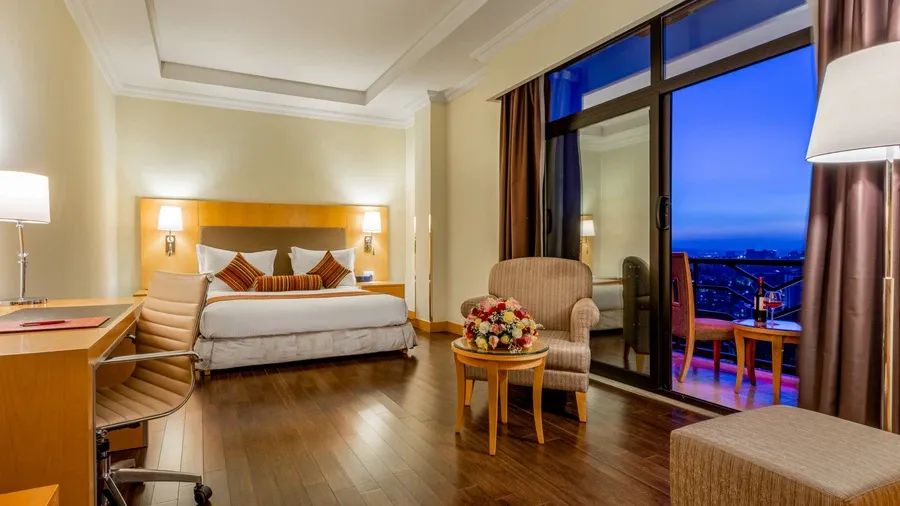
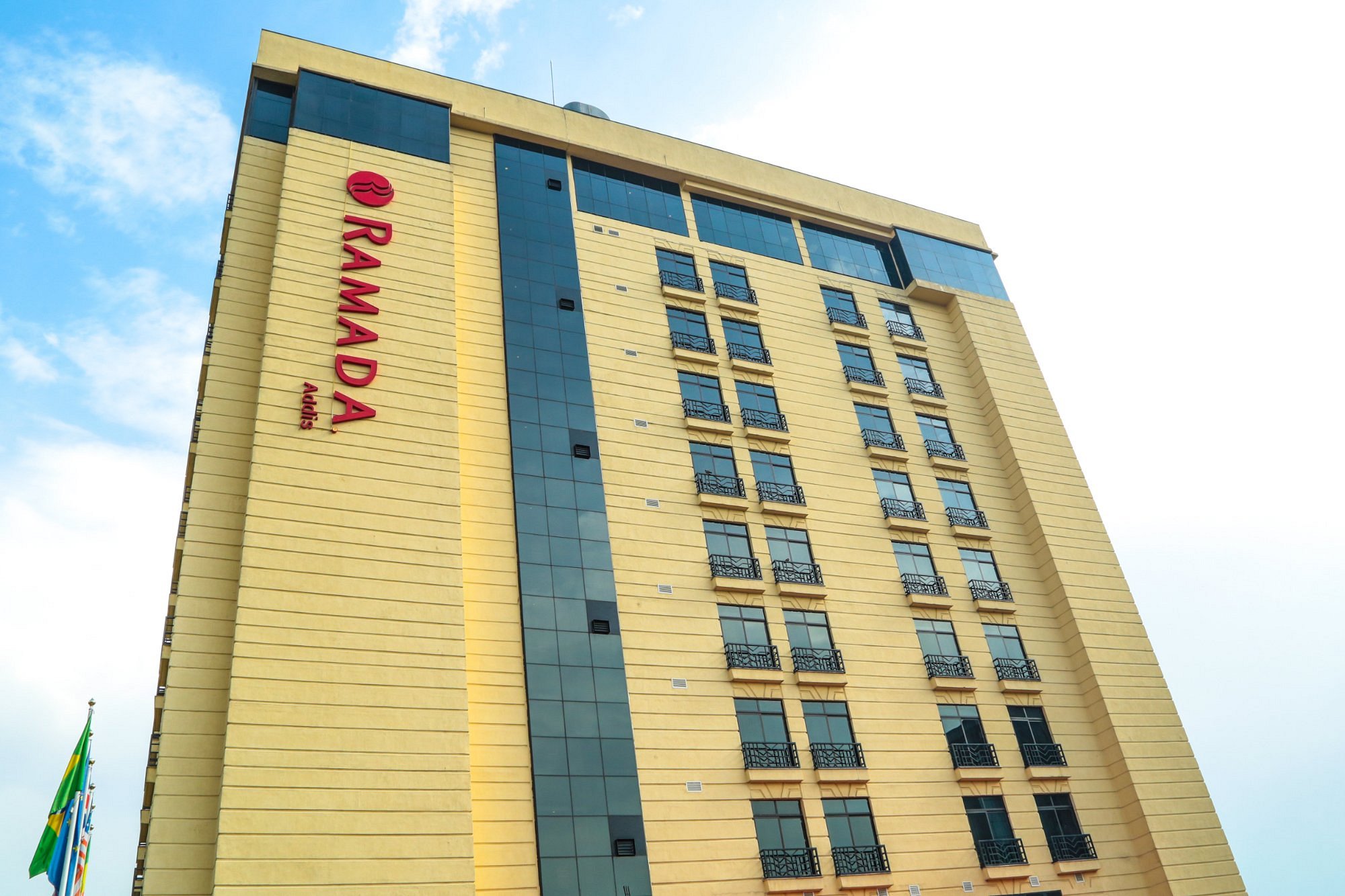
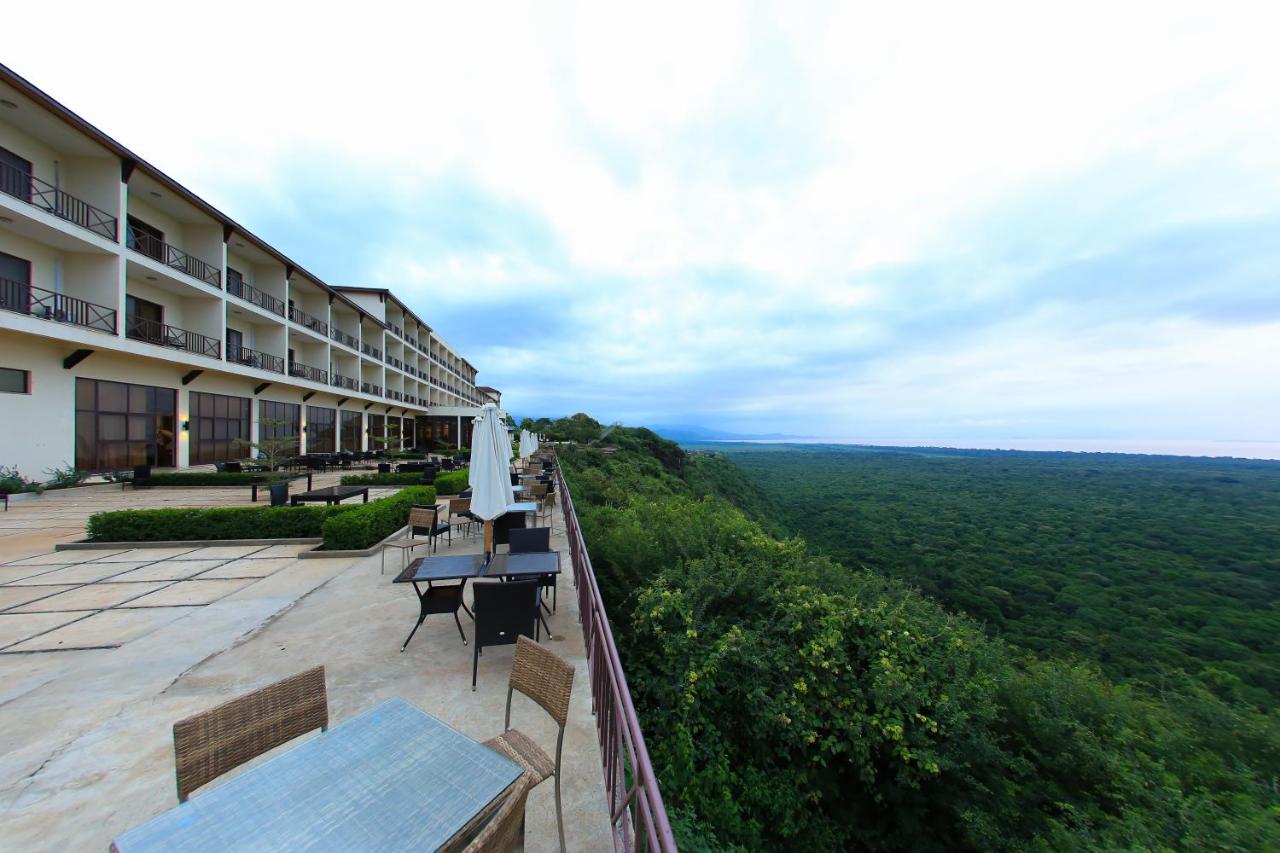
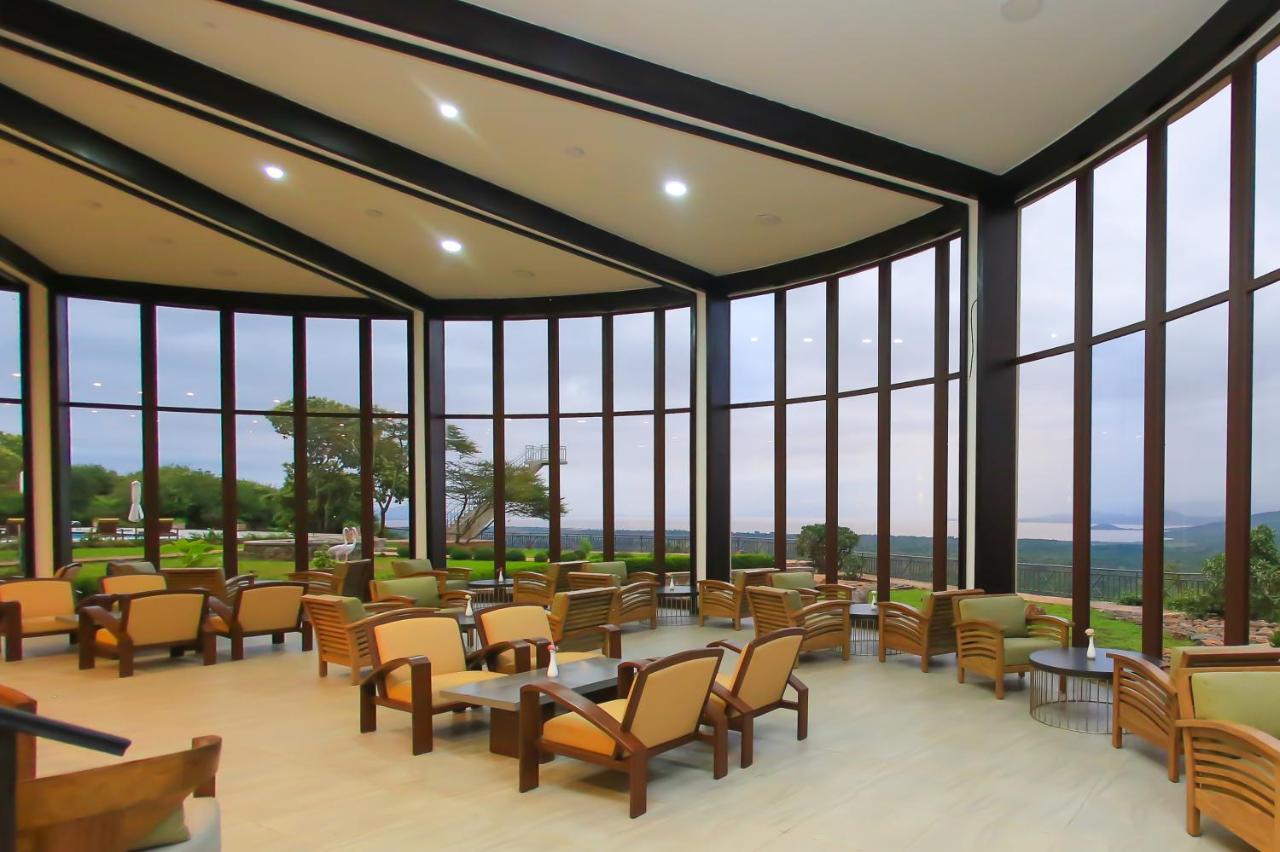
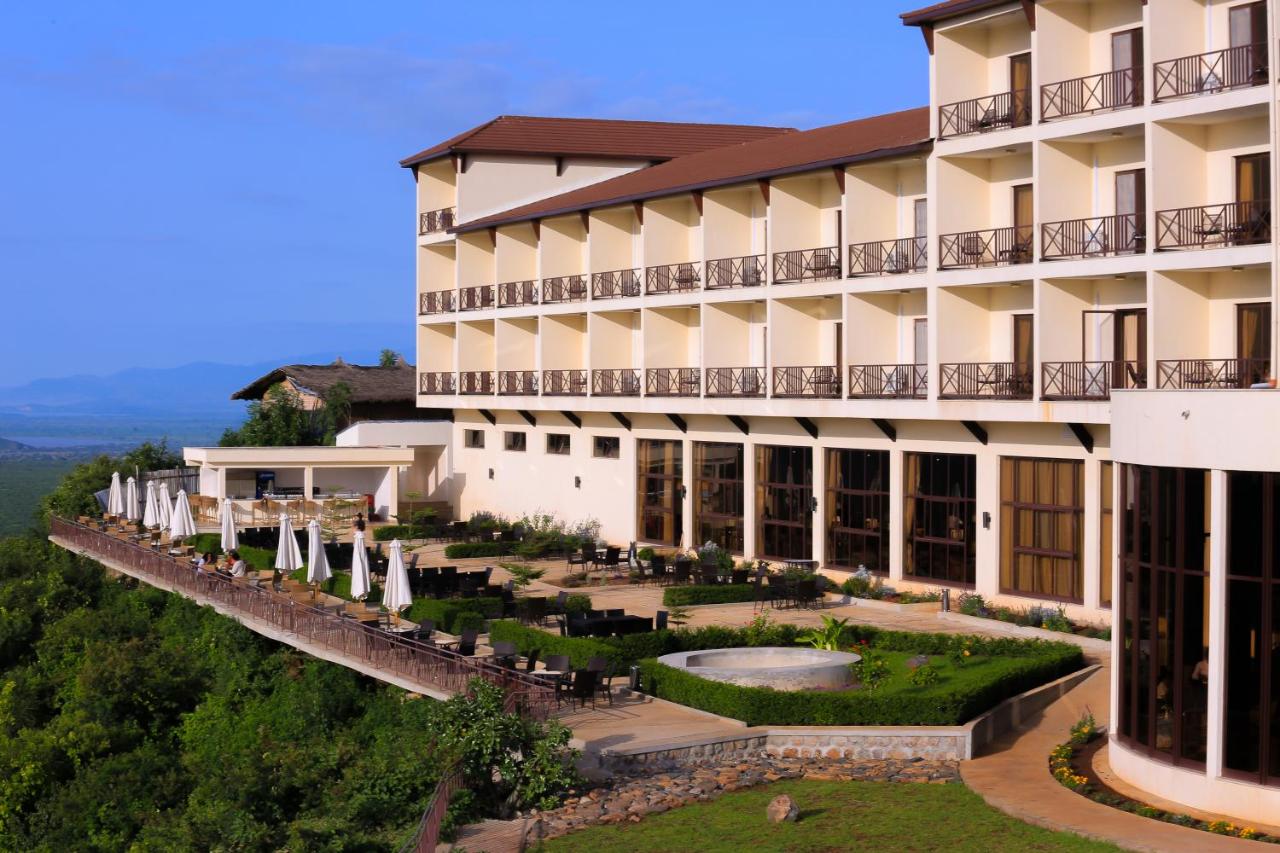
After completing your sightseeing, you will return to your hotel for the night. Overnight accommodation will be at Ramada Addis. [Website: https://www.ramadaaddis.com/]
Fly to Bahir Dar | Lake Tana Monasteries & Blue Nile Falls
This morning, you will be transferred from your hotel to the airport for your flight from Addis Ababa to Bahir Dar. Known as "by the side of the sea," Bahir Dar is one of Ethiopia's most well-planned cities and ranks as the third largest, often regarded as the most picturesque city in the country. Serving as the capital of the Amhara region, the city features historic monasteries, charming lodges, vibrant fish markets, and stunning lakes, including the renowned Blue Nile Falls.
Lake Tana, the largest lake in Ethiopia with an area of 3,600 km² (2,282 mi²), is also the origin of the Blue Nile. The lake is dotted with 37 islands, 20 of which are home to monasteries thought to date back to the 14th century. These islands are rich in ancient Ethiopian history and house artifacts from the Ethiopian Orthodox Church, as well as burial sites for some former emperors of the Ethiopian Empire.
Upon arrival and after checking into your hotel, your first destination will be Lake Tana. One of the islands you will visit is the esteemed "Ura Kidane Mehert" monastery. If time permits, you may also visit the "Azwa Mariam" monastery, both renowned for their ancient manuscripts, artistic paintings, crosses, and artifacts.
Later in the afternoon, after enjoying lunch, you will be taken to the "Tis Isat" waterfalls, also known as the Blue Nile Falls (please note that due to the construction of a new dam in the vicinity, water levels may be quite low). If time allows, the city tour will include a visit to the "Bezawit Palace" and its viewpoint, followed by a return drive to the hotel.
Meals Included: Breakfast, Lunch & Dinner
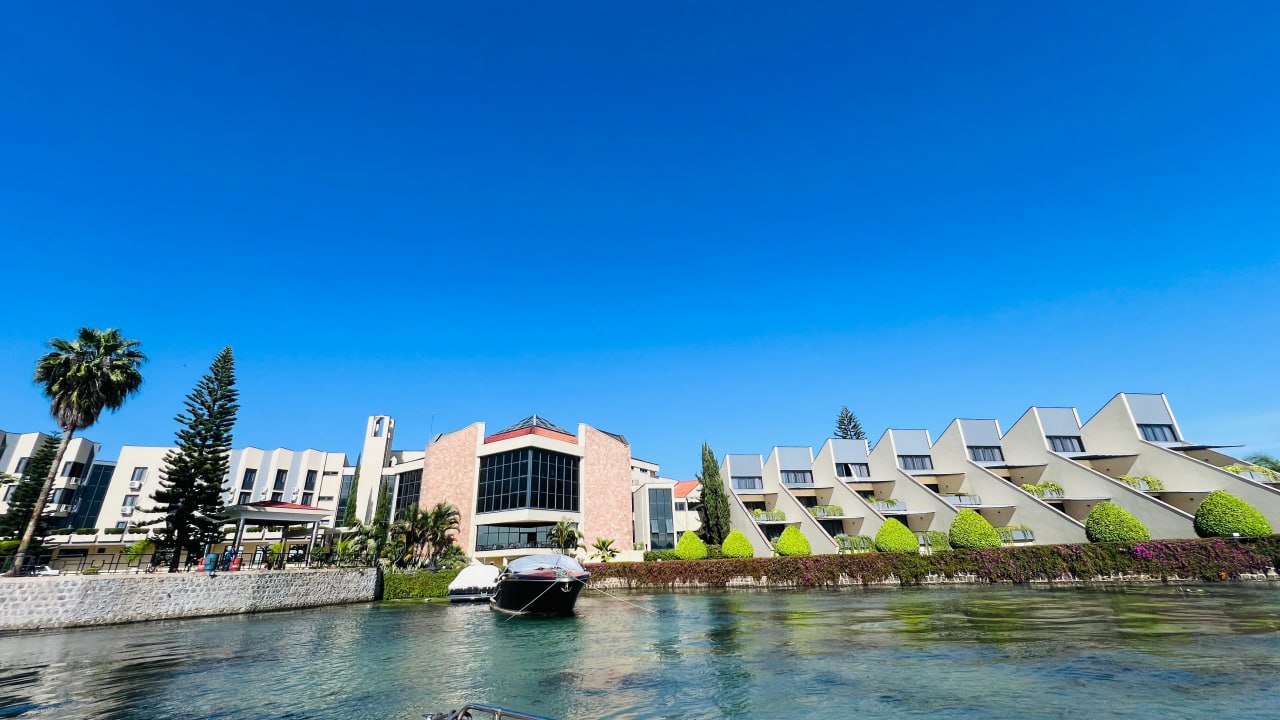
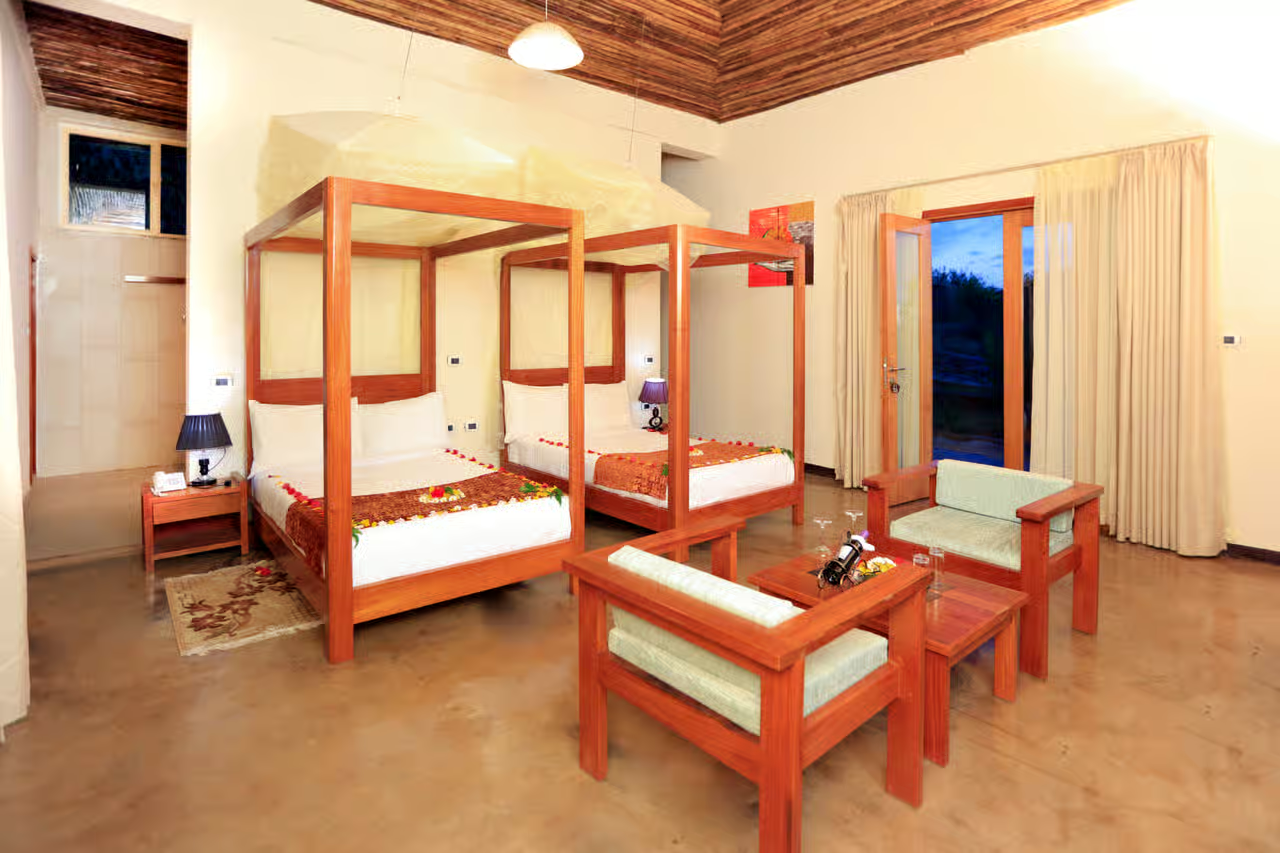
Accommodation: Avanti Blu Nile Resorts (http://www.bluenileresorthotels.com)
Journey from Bahir Dar to Gondar
Following breakfast, the journey to Gondar will commence, covering a distance of 185 kilometers (approximately 3 hours). This city once served as the royal capital of the Ethiopian Empire, established in 1636 by Emperor Fassiledes. Gondar is rich in medieval architecture, showcasing castles and churches built by the Emperor and his descendants. Highlights of the visit include the Fassiledes Castle and the Fassiledes Bath, which was once believed to be the Emperor's grand swimming pool. Now referred to as Fassiledes Bath, this site is used for baptisms and symbolizes the sacred waters of the Jordan River in Israel, where Jesus Christ was baptized. Every year on January 19th during Timket (Epiphany), numerous people immerse themselves in these waters for christening. Unfortunately, your visit will not coincide with this celebration.
After lunch, you will explore the Debre Birhan Selassie Church, a UNESCO World Heritage Site constructed in the late 18th century by Iyasu I, and the grandson of Emperor Fassiledes. The church is renowned for its walls and ceilings adorned with numerous winged cherubs, symbolizing the omnipresence of God. After concluding your tour, you will transfer to the lodge. Following dinner, you will have the opportunity to witness the “Eskesta,” a traditional dance for which Gondar is famous.
Meals: Breakfast, Lunch & Dinner are included.
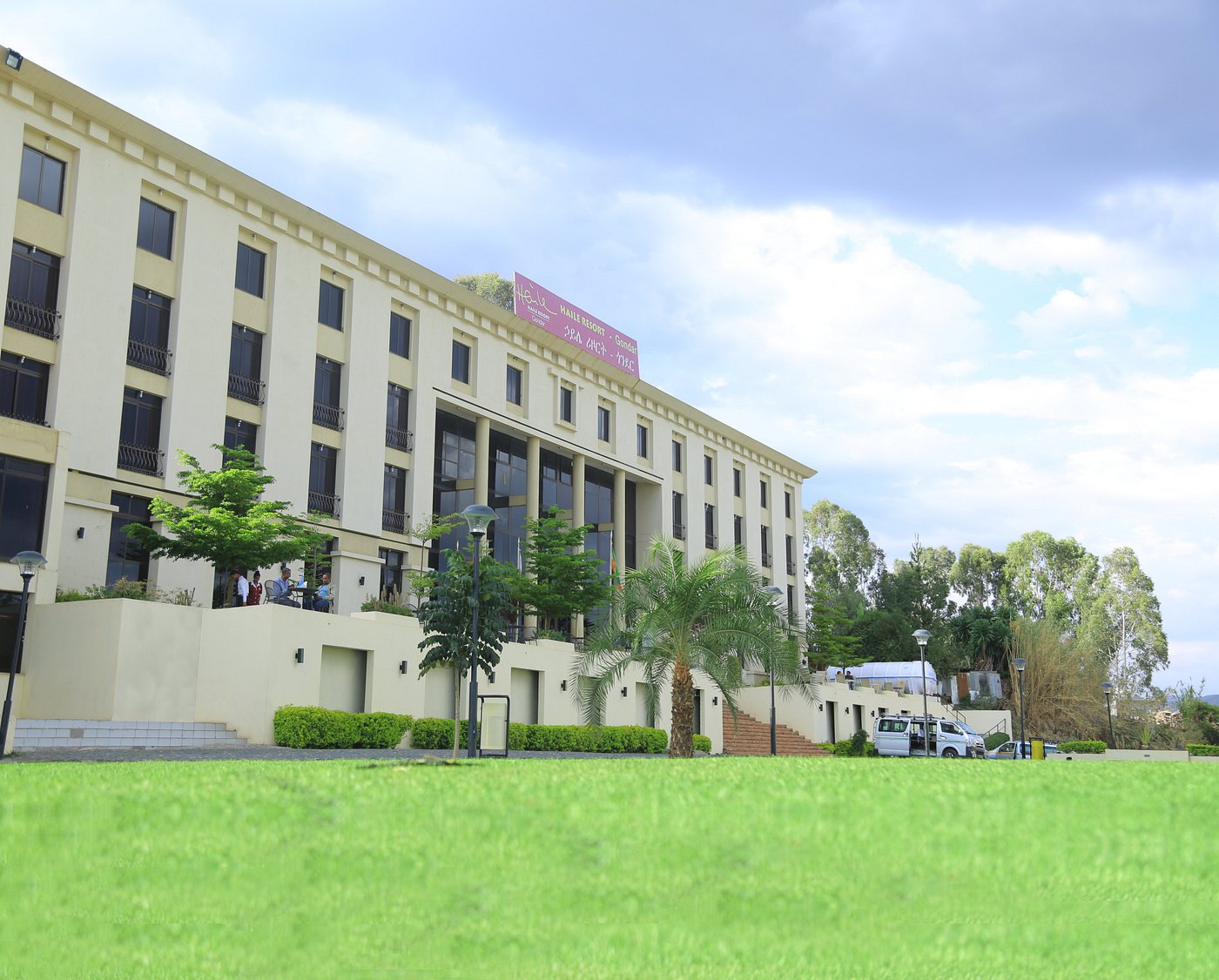
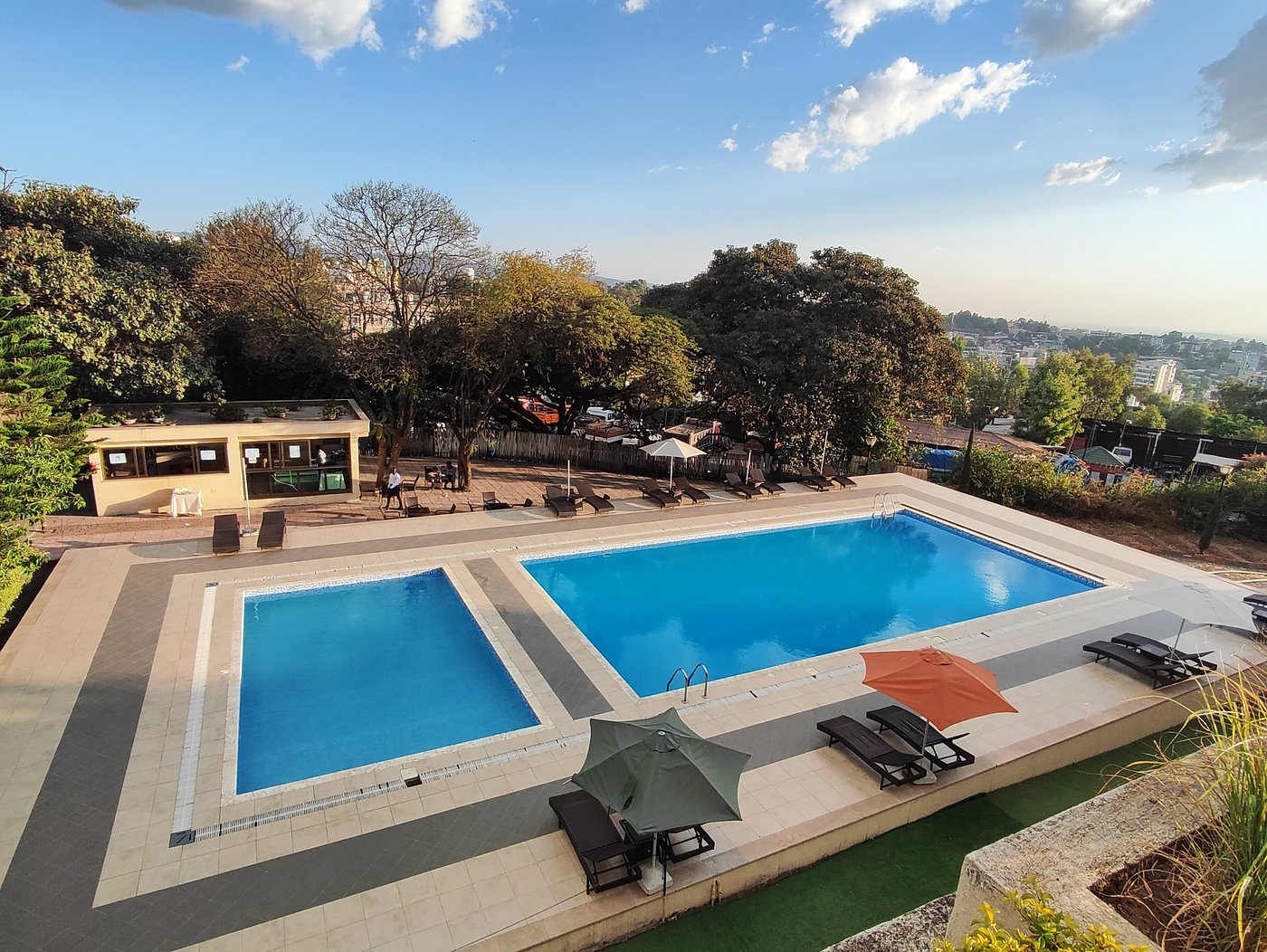
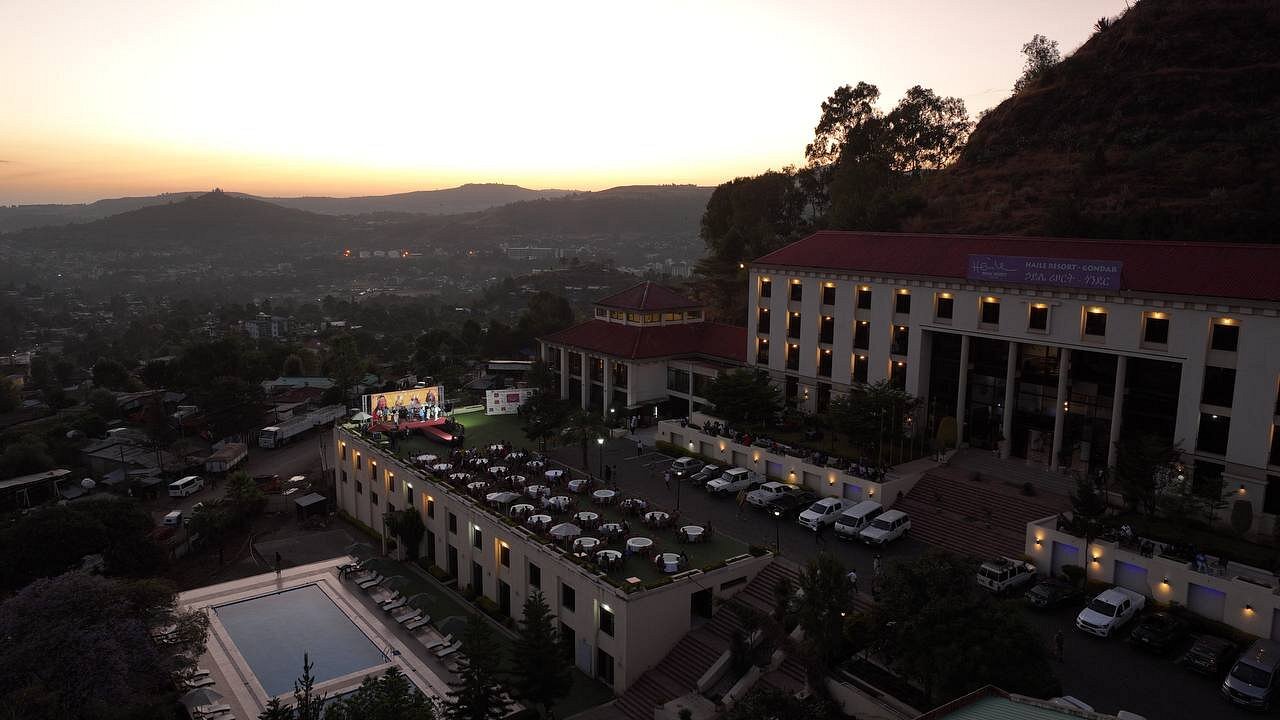
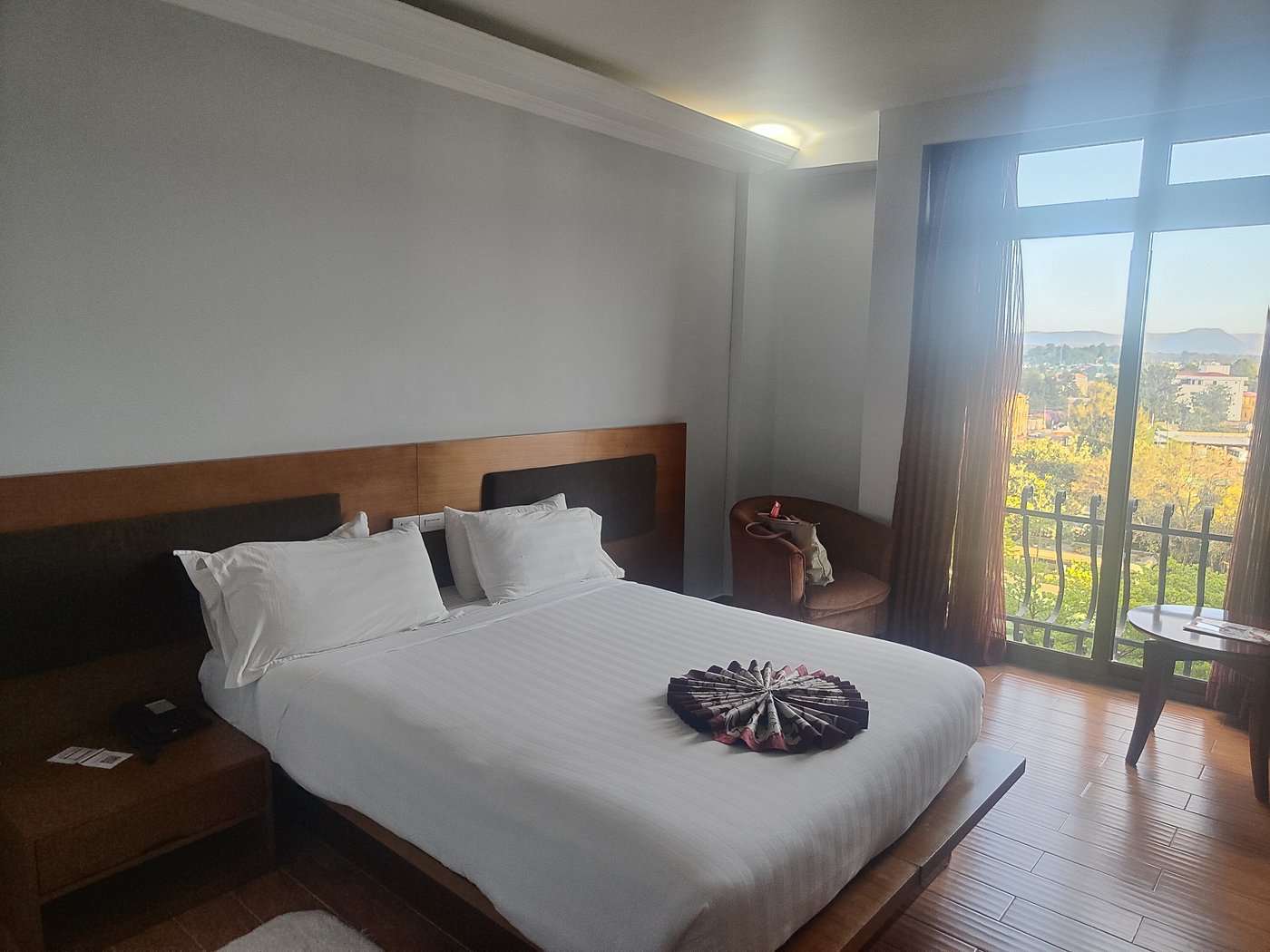
Accommodation: Haile Resort Gondar (https://hailehotelsandresorts.com/gondar-resort/
Excursion to Simien Mountains National Park
Following breakfast, you will embark on a two-hour drive to the Simien Mountains, covering a distance of 210 kilometers. The striking topography of the Simien Mountains is the result of volcanic activity, and it has been designated as a UNESCO World Heritage Site, known for its remarkable botanical diversity and rich wildlife, including the Walia Ibex, Red Fox, and the Chelada or Bleeding Heart Baboons.
The first stop on your excursion will be the “Kosoye” viewpoint, where you will have the opportunity to take in the breathtaking landscape. Next, you will head to “Debarq,” the main point of access to the park, where you will be assigned a scout to accompany you. Once your scout is designated, you will continue your journey to the “Buyit Ras” viewpoint. A picnic lunch is typically enjoyed at “Jimbar Falls.”
You will then visit Sankaber, the first campsite within the Simien Mountains, known for offering some of the most stunning mountain scenery in Ethiopia. This area is a perfect spot to observe Chelada Baboons and study their foraging behaviors. Additionally, you can take a short walk to a nearby waterfall, although be aware that the terrain may be uneven.
These mountains are often referred to as “The Roof of Africa” because of their elevation, sitting at an altitude of 3,260 meters (10,722 feet). It is advisable to dress warmly, as temperatures in this region can be quite low. After completing your tour, you will return to Gondar for an overnight stay. Meals provided include breakfast, lunch, and dinner.
Meals: Breakfast, Lunch & Dinner are included.
Accommodation: Haile Resort Gondar (https://hailehotelsandresorts.com/gondar-resort/)
Flight from Gondar to Lalibela
After breakfast, you will be transferred to the airport for your flight to Lalibela. Upon arrival, a short drive of approximately 40 minutes will take you to the city, where you can check in to your hotel before beginning your exploration of Lalibela. This quaint town is renowned for its remarkable sacred sites, which include eleven medieval rock-hewn churches, all intricately carved from a single block of stone.
Lalibela, often referred to as the “New Jerusalem,” was constructed in the 12th century by King Lalibela with divine assistance, and it is recognized as a UNESCO World Heritage Site. The eleven churches are impressive in scale, with many reaching heights of over ten meters. These churches, carved below ground level, are surrounded by trenches and courtyards, adorned with stone graves and hermit cells, and interconnected by an intricate network of tunnels and passageways.
The eleven rock churches, believed to be at least 200 years old, are organized into two distinct groups and are accessible on foot. Please be advised that the steps can be uneven, requiring some agility to navigate. You will have the opportunity to visit the magnificent rock-hewn churches of Lalibela, often described as the “Eighth Wonder of the World.” Carved from solid rock between 800 and 1200 AD, these churches remain active sites of worship.
After lunch, you will head to the north-western cluster of churches, which includes Bet Medhane Alem, Bet Maryam, Bet Meskel, Bet Danaghel, Bet Debre Sina, and Bet Golgotha. Also on the itinerary is the isolated monolithic church of Bet Giyorgis (the Church of St George). Bet Medhane Alem is noted as the largest of the rock-hewn churches.
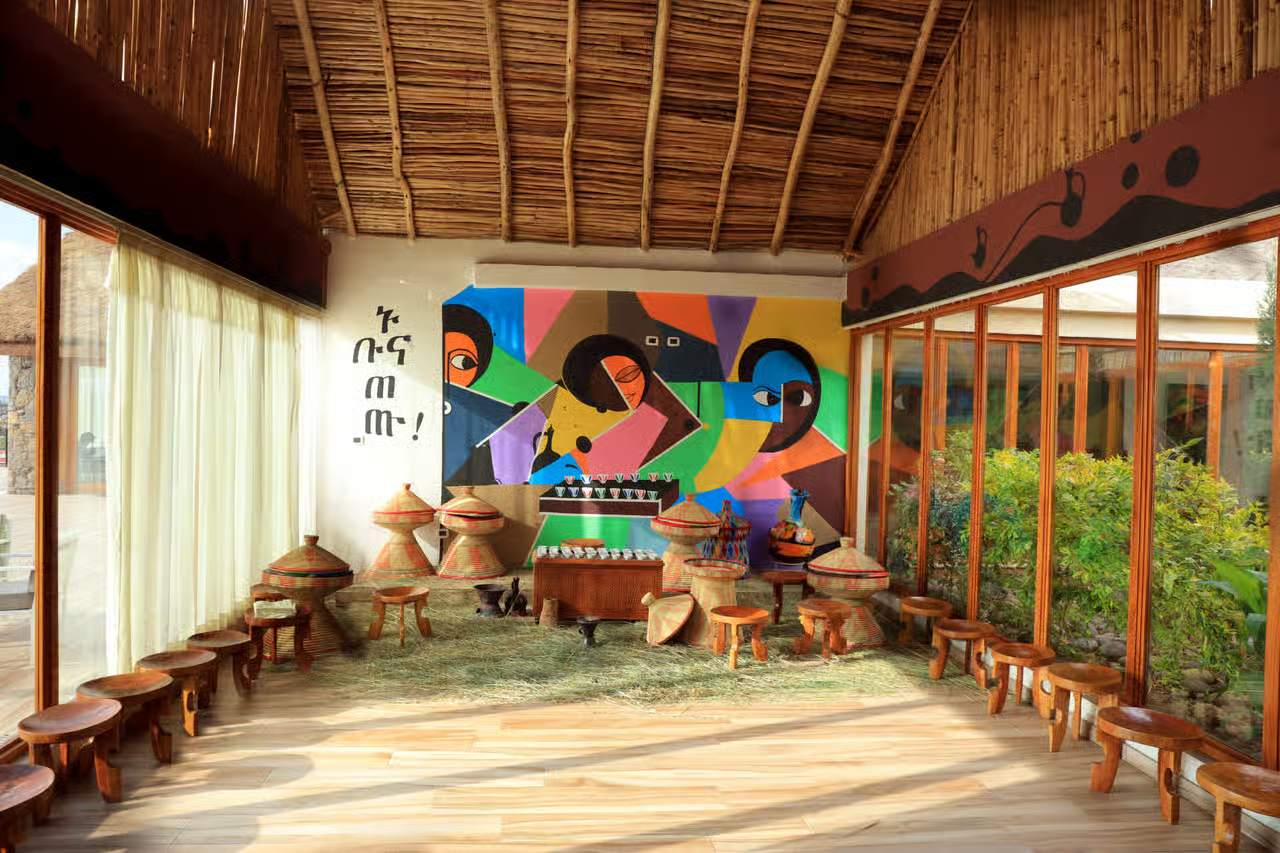
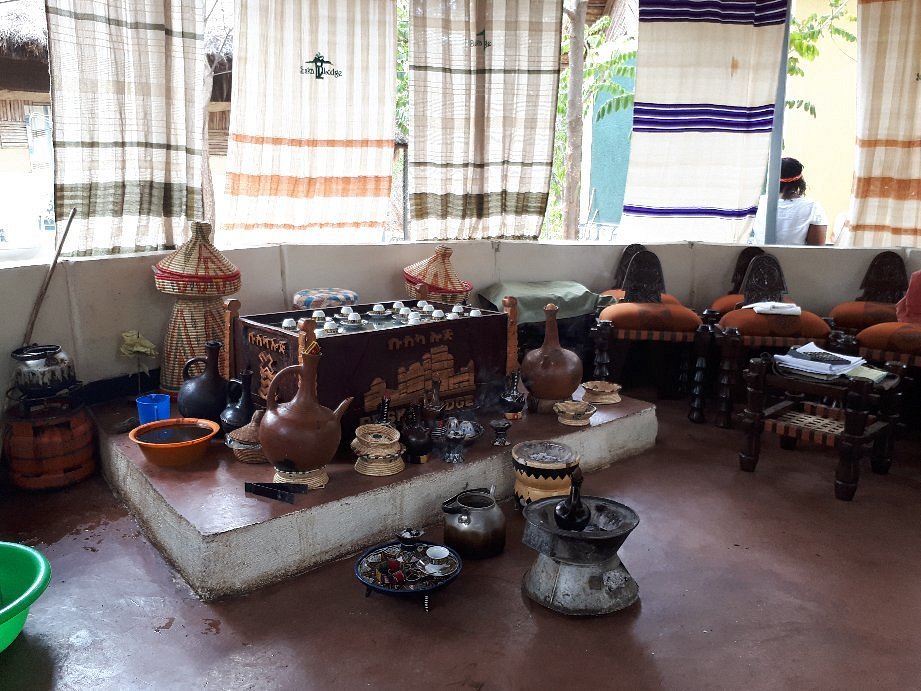
In addition, you will experience a traditional coffee ceremony. The Ethiopian coffee ceremony is a vital aspect of social and cultural life, serving as an important ritual passed down through generations. Receiving an invitation to attend a coffee ceremony is a symbol of friendship and respect, exemplifying the warm hospitality of the Ethiopian people.
Meals: Breakfast, lunch, and dinner
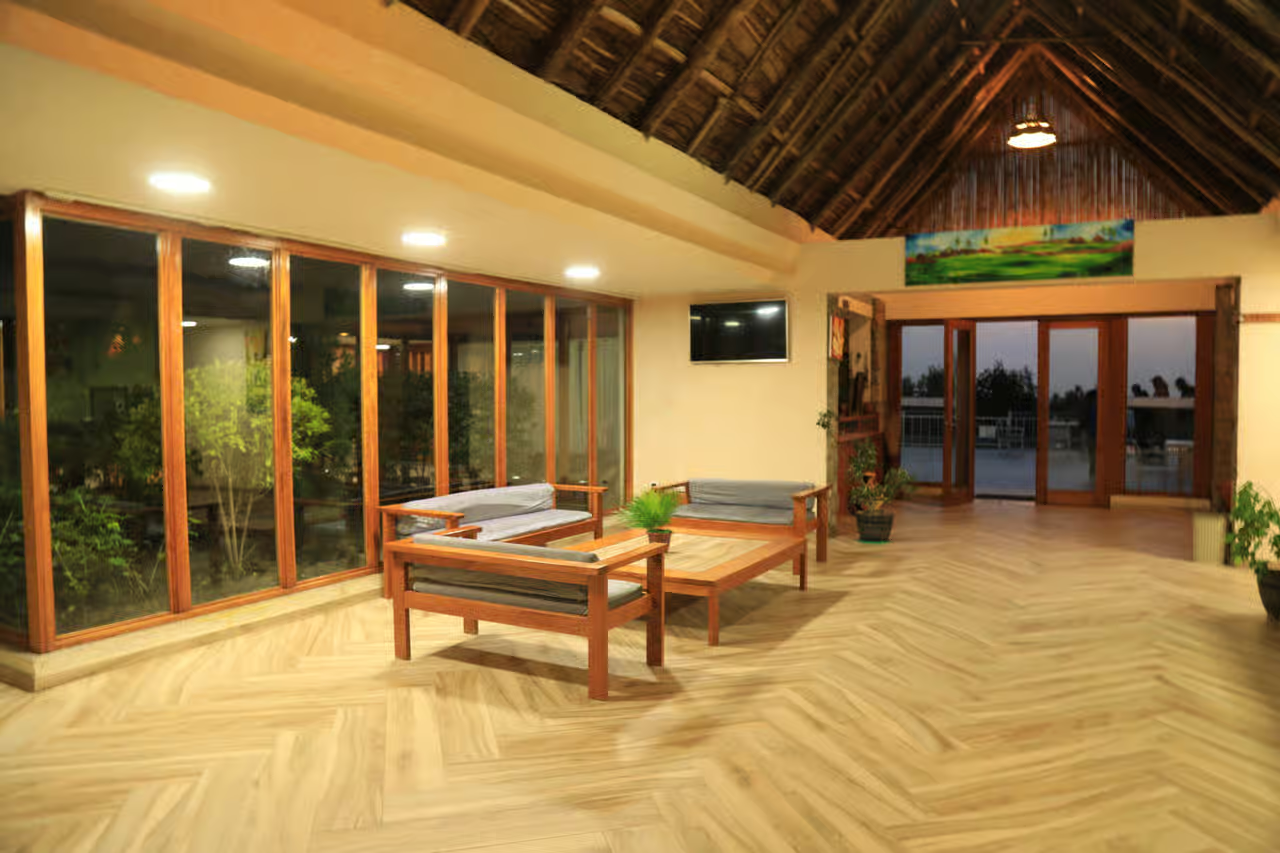
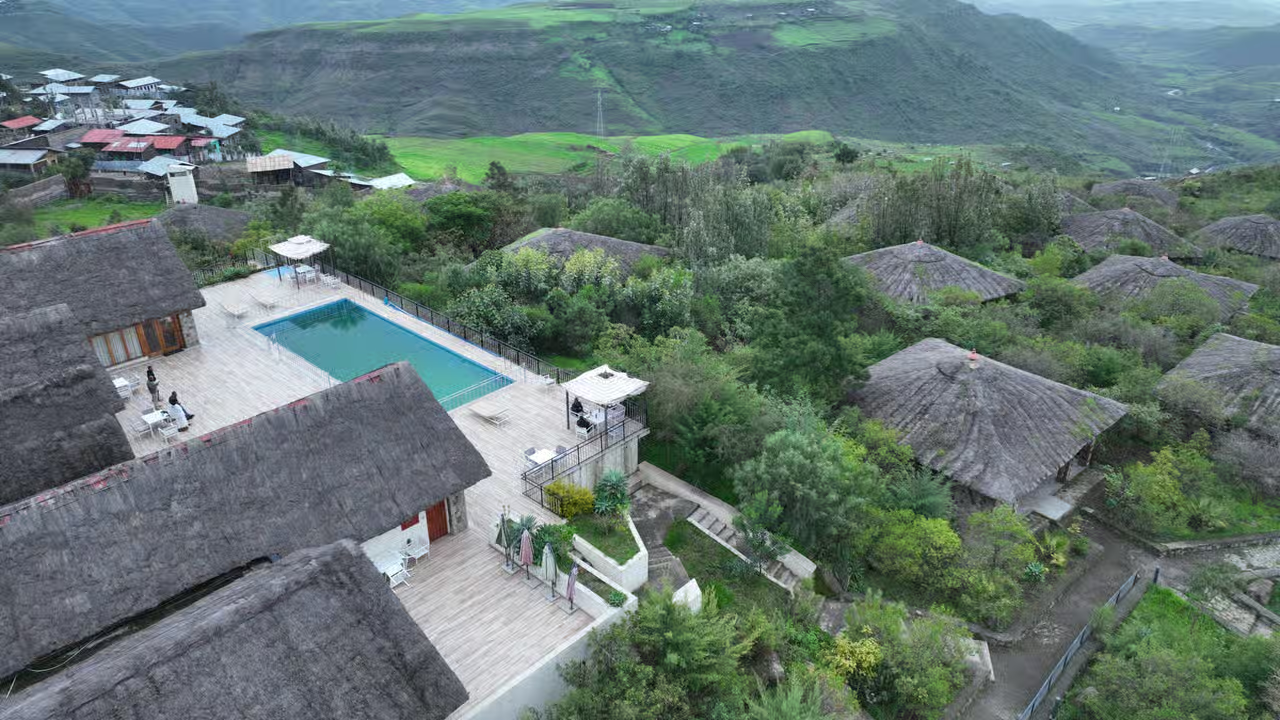
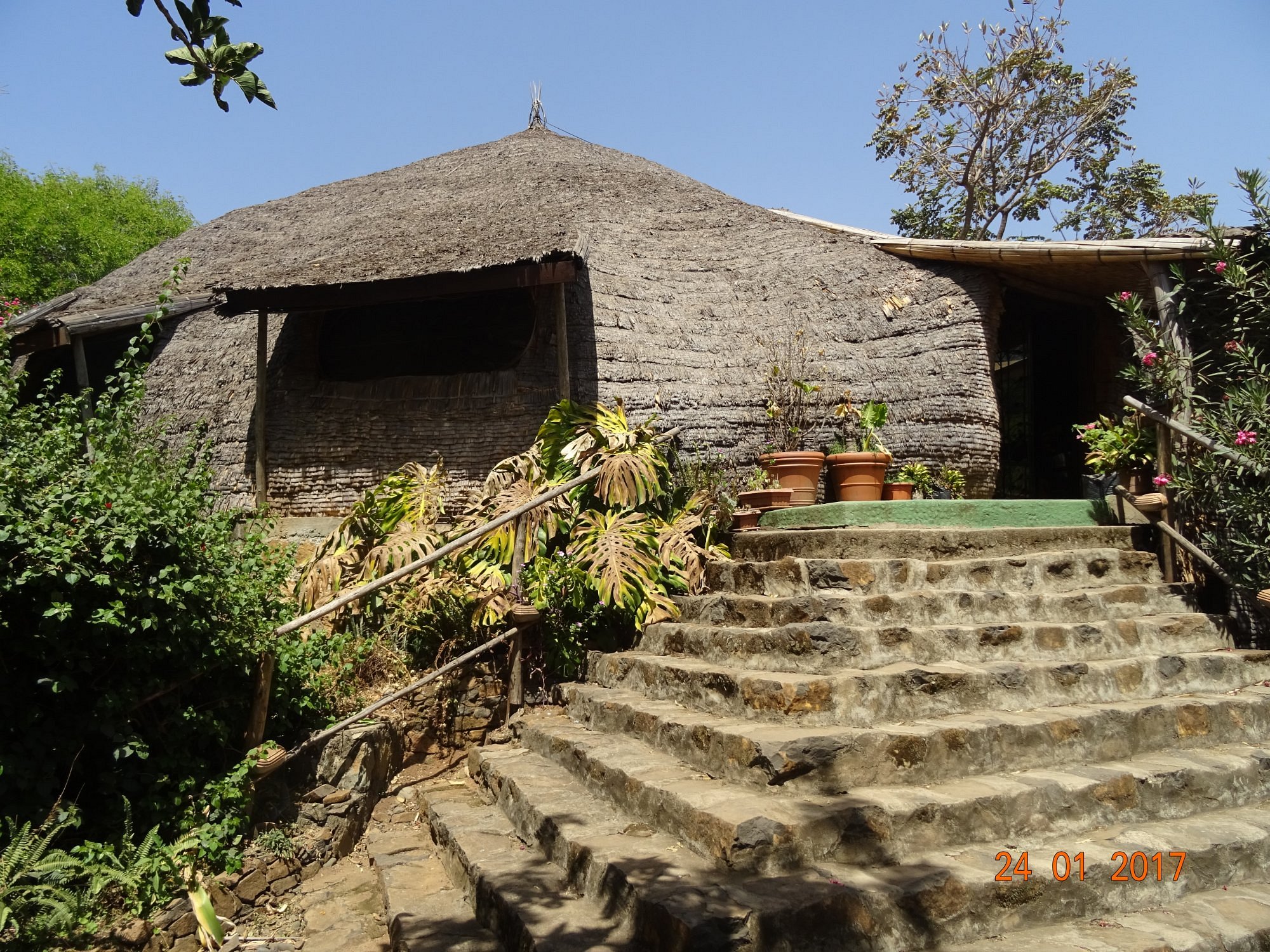
Accommodation: Mezena Lodge (https://mezenalodge.com/)
Lalibela
Today, you will explore the cave church of Yimrehane Kirstos, located 40 kilometers from the city. This remarkable structure was built by the eponymous king prior to the reign of King Lalibela. The church, reminiscent of the one at Debre Damo, is designed in an Axumite style, featuring a unique combination of wood and stone at alternating levels. If circumstances allow, you may join the annual celebration of King and Saint Yimrehane Kirstos, which draws tens of thousands of pilgrims from across Ethiopia. This event is renowned for its vibrant and heartfelt observance, as congregants cloaked in white shawls sing joyfully alongside the priests. Amidst the moving choir, the priests chant, dance, and lead the congregation around the church, accompanied by the resonant beats of drums and the soaring harmonies of women's ululations. After the visit, you will return to town.
Meals: Breakfast, lunch, and dinner
Accommodation: Mezena Lodge (https://mezenalodge.com/)
Depart from Lalibela to Addis Ababa
You will be taken to the airport for your flight back to Addis Ababa. After arriving, you will be escorted to your hotel City tour of Addis may follow if you haven’t visited the first day or else you will rest at your hotel to get ready for the following Omo Valley visit.
Meals: Breakfast, lunch, and dinner
Overnight at Ramada Addis https://www.ramadaaddis.com/
Drive from Jinka to Mursi and Turmi
Total driving distance: 230 km / 6-7 hours.
Today, embark on a day excursion to Mago National Park to visit the Mursi village, known for being one of the most traditional ethnic groups. The Mursi reside in simple huts constructed from straw leaves. Women often adorn their significantly stretched lower lips and earlobes with terra cotta, while men are notable for their distinctive hairstyles. Body scarification is common, and many women wear lip plates; a larger lip plate signifies a higher value for marriage. The plates are removed during eating and sleeping, and women can be recognized by their long, distended lips.
After visiting, you will continue your journey to Turmi, the home of the Hamer tribe. Here, you will visit a Hamer village. The Hamer people are known for their striking appearance, taking great care in grooming, coloring their hair, oiling their skin, and adorning themselves with beads and bracelets around their arms and legs. They are famed for their body art, moonlight dances (Evangedi Dance), and the traditional bull- jumping ceremony, which signifies the transition from childhood to adulthood and is not performed daily.
Meals: Breakfast, Lunch & Dinner included
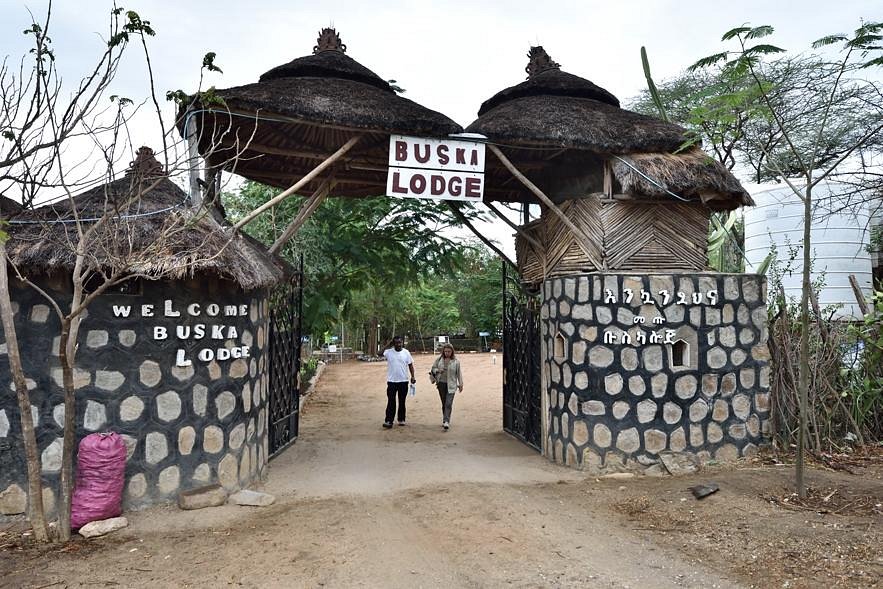
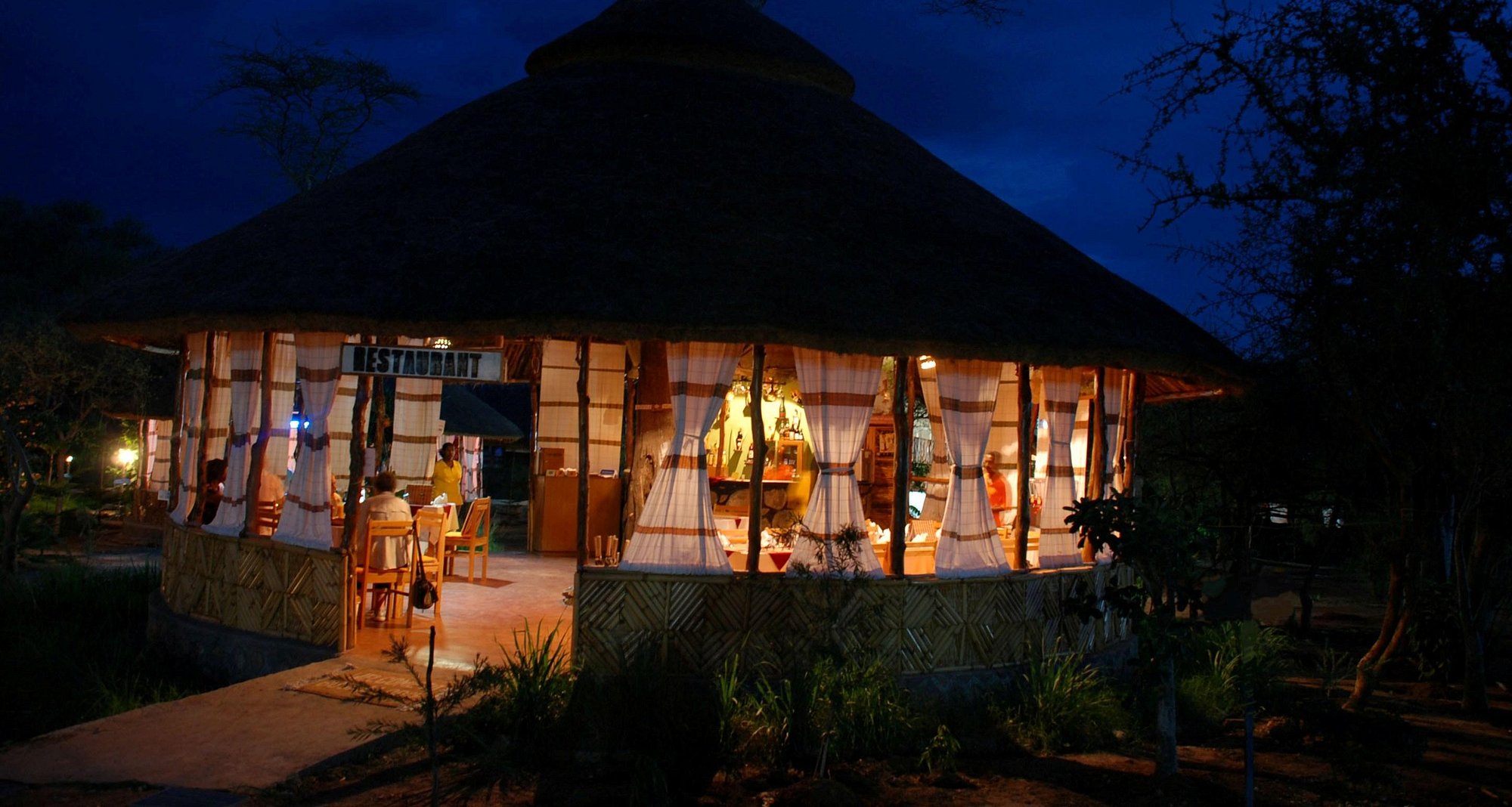
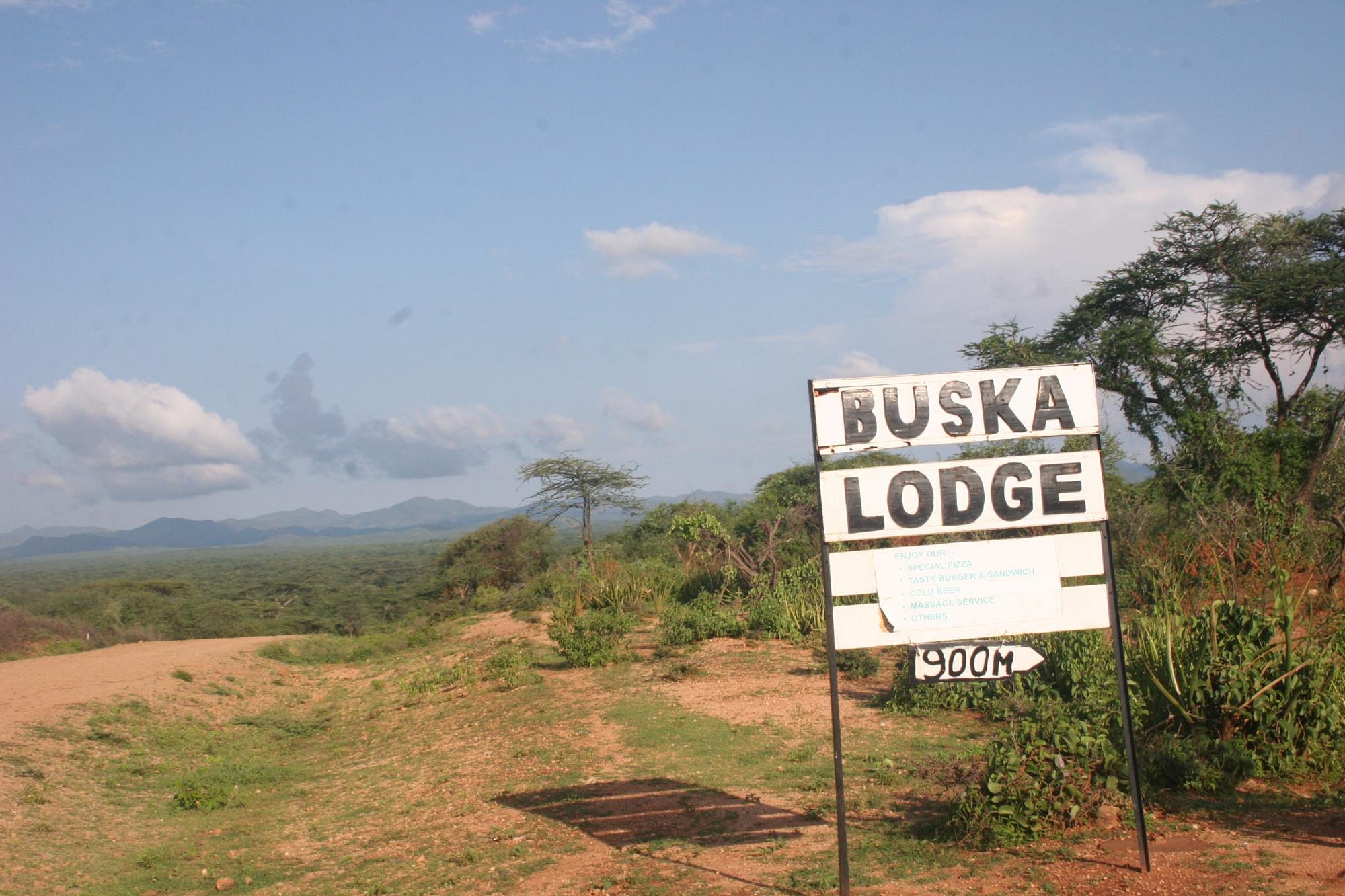
Accommodation: Buska Lodge (http://www.buskalodge.com/)
Drive from Turmi to Karo and back to Turmi
Total distance: 150 km / 3-4 hours.
After an early breakfast, you will embark on a journey to Murulle, carrying a picnic lunch to meet the Karo people who inhabit the banks of the Lower Omo River. The Karo are known for their rich cultural expressions, incorporating elaborate body art, intricate headdresses, and body scarification to signify beauty and status within their community. Although this vibrant tribe consists of fewer than 1,000 members, they are recognized as the primary non-nomadic agricultural group in the Lower Omo Valley.
What sets the Karo apart from other neighboring tribes is their pronounced focus on body and face painting. They adorn themselves daily using coloured ochre, white chalk, yellow mineral rock, charcoal, and pulverized iron ore—materials readily available in their surroundings.
The tradition of body painting holds significant importance in Karo culture. It serves as both a means of communication and a form of artistic expression. Visiting the Karo people offers a remarkable insight into the lives of Ethiopia’s indigenous communities, which are rich, proud, and adaptable to change. Following this enriching experience, you will return to Turmi.
Meals: Breakfast, Lunch & Dinner are included.
Accommodation: Buska Lodge http://www.buskalodge.com/
Journey from Turmi to Arbaminch
Total distance: 280 kilometers / 5-6 hours of driving.
After breakfast, we will set off towards Erbore village to greet the striking women of the Arbore tribe, who are notable for their black veils, semi-nude attire, and shaved heads, creating a vivid contrast. Arbore, also known as Erbore, is more rustic and less influenced than many comparably sized towns in South Omo. Like their culturally and linguistically related Tsemai neighbors, the Arbore people migrated from Konso to their present location approximately two centuries ago.
Next, we will travel to the Konso village to admire the stunning landscapes and their mode of living. The Konso residents are renowned for their intricately terraced hillsides, which have garnered UNESCO recognition, as well as their finely woven materials and the carved totems that embellish their graves.
The expansive and awe-inspiring landscape serves as an awesome backdrop for the distinctive Konso culture. The villages, known as kantas, are constructed on the hillsides and surrounded by stone walls for protection. The winding paths that traverse the village converge at the mora, a large, thatched pavilion that functions as a communal gathering spot for the inhabitants of nearby villages.
Visitors to the Konso region can experience a wealth of cultural offerings, including performances and craft demonstrations, allowing them to gain insight into the traditions of the Konso people and understand the significant roles these customs continue to play in their daily lives.
Meals: Breakfast, Lunch, and Dinner are included.
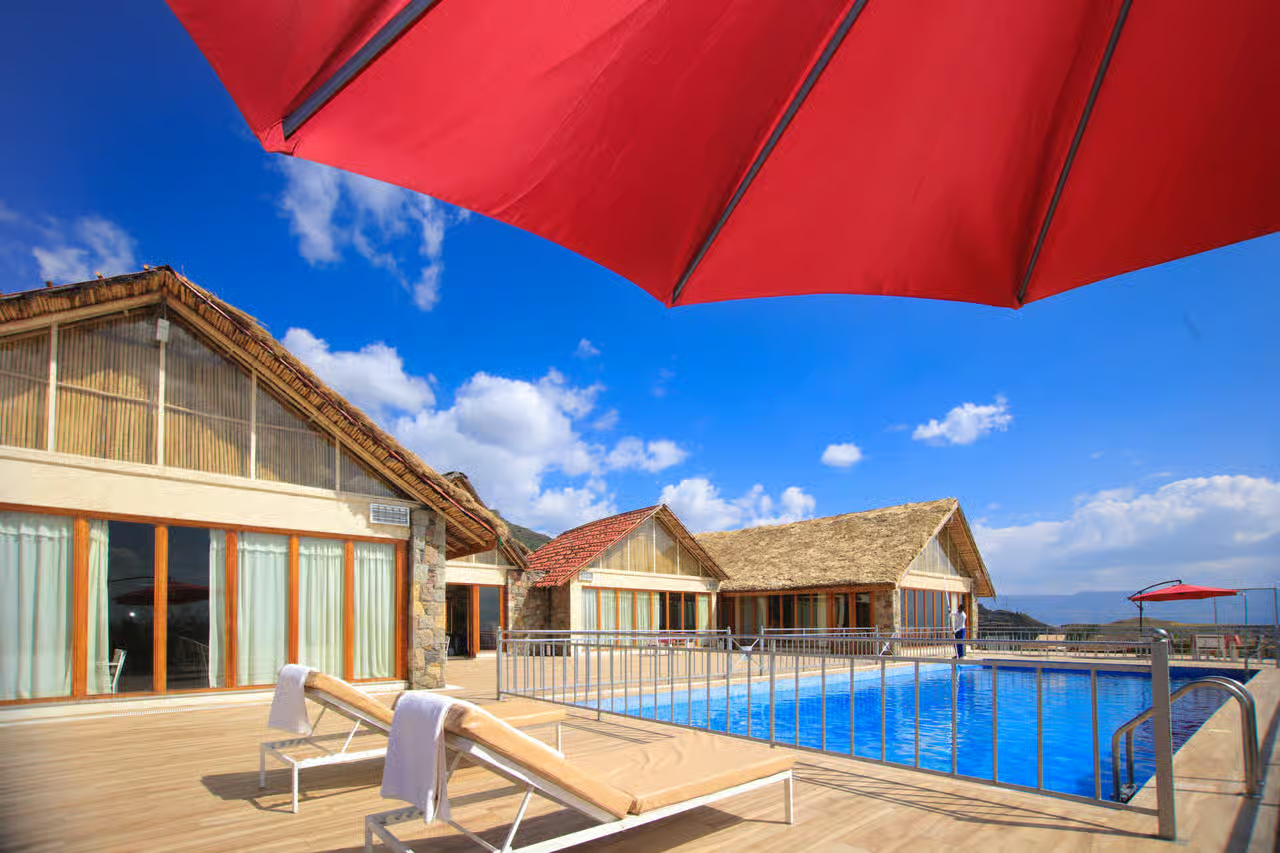
Accommodation: Haile Resorts https://hailehotelsandresorts.com/arbaminch_resort/
Flight from Arbaminch to Addis Ababa
After breakfast, embark on a scenic boat cruise on Lake Chamo, renowned as one of the park's highlights. This excursion offers the chance to observe a significant population of hippos and crocodiles up close. A notable spot for viewing numerous crocodiles is along the shores of Lake Chamo, known as “Azo-Gebeya,” or Crocodile Market, which showcases one of Africa's most impressive displays of large crocodiles.
Later, you will head to the Dorze community in Chencha, located 40 kilometers from the city. The Dorze people are celebrated for their cotton weaving, with their tall beehive-shaped huts being among the most recognized traditional structures in Africa. The primary livelihoods in this region include subsistence farming and weaving. The locally produced Shama cloth is considered the finest in Ethiopia, featuring plain white Gabbi robes and vibrant scarf-like Netalas available for purchase along the roadside. Later, you will be transferred to the airport for your flight back to Addis.
Meals: Breakfast, Lunch, and Dinner included.
Overnight at Ramada Hotel https://www.ramadaaddis.com/
Sightseeing of Addis and Departure
Following breakfast, you will have sightseeing in Addis Ababa with a national guide and this includes.
Visit Entoto Hills – best introduction place to Addis Ababa. Mt. Entoto is the highest peak in Addis Ababa reaching 3,200 meters above sea level, giving the opportunity to catch stunning views over the city and the surrounding area from the summit.
It is the first settlement in Addis Ababa where Emperor Menelik II resided and built his palace in 1887. It is a historical place which offers a unique glimpse into the history of Ethiopia’s distinct culture. The compound at the peak hosts the Entoto Mariam church, an Ethiopian artefact muse-um as well as Menelik II palace.
In addition to its historical significance as one drives up the hill there is an appreciable drop in temperature and the air is filled with the scent of the Eucalyptus trees which line the road.
On the way up the roadside stalls offers fresh Ethiopian coffee.
The tour will continue to St. George’s Cathedral (Giorgis Cathedral), located at the northern end of Churchill Road. Designed in the traditional octagonal architecture, this cathedral was constructed in 1896 to commemorate Ethiopia's victory over Italy at the Battle of Adwa. It features works by Afewerk Tekle, a distinguished Ethiopian artist famous for the stained-glass windows of the Africa Hall, as well as a small museum within the compound.
Next, you will proceed to Merkato; the Largest open Market in Africa; where virtually every possible commodity is on sale, from livestock to computers. It is closed on Sundays & for a visitor good at bargaining, there is a huge selection of Ethiopian arts and crafts. / If time may not allow you to visit Mercato you will visit Shola market, the smaller version of Mercato and it can easily be accessible.
If time permits, you will enjoy a farewell dinner at a cultural restaurant, where you can savor traditional Ethiopian cuisine while experiencing traditional Ethiopian dance performances.
Afterward, you will be transferred to the airport for your departure flight. Thank you very much and wishing you a safe journey.