
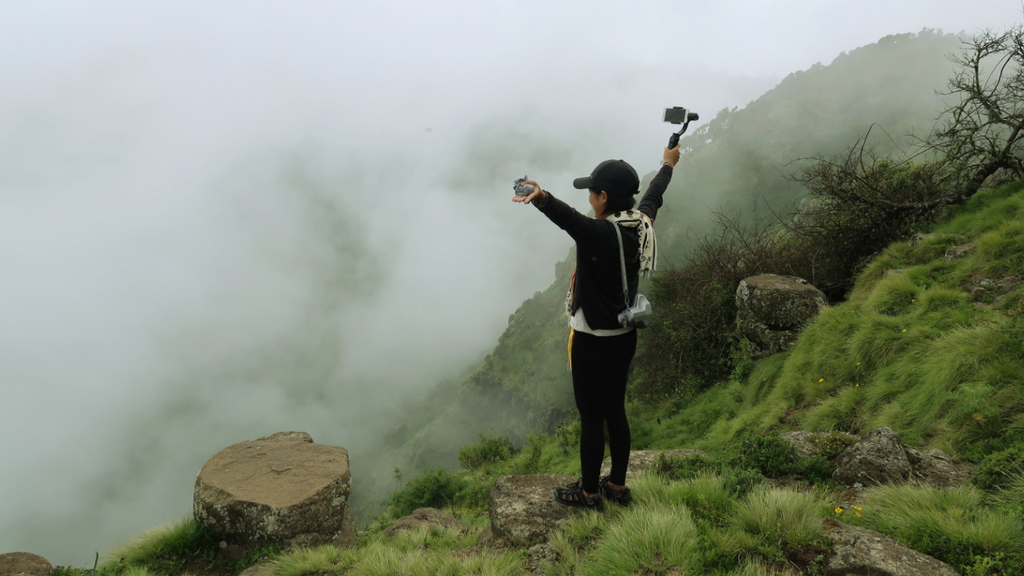
Ethiopia’s Two Seasons — The Short Answer
Dry season (October–May): Clear skies, cooler temperatures in the highlands, and accessible roads. The main travel window for the northern historic circuit, Simien Mountains trekking, and the Danakil Depression.
Rainy season (June–September): Highland rains across the north and central regions, with the heaviest rainfall in July and August. The Omo Valley runs on a different calendar — its rains come earlier (April–May) and the June–September window is actually one of the best times to travel there.
For most first-time visitors, October to January is the answer. For the Omo Valley, birding, or festival-specific trips, the picture is more nuanced.
Quick Reference: Ethiopia Month by Month
| Month | Conditions | Best For | Rating |
| January | Dry, cool highlands | Lalibela (Genna, Timkat), full northern circuit | ★★★★★ |
| February | Dry, clear, warming | All regions, Bale Mountains wolf tracking | ★★★★★ |
| March | Dry, short rains building in some areas | Northern circuit excellent, avoid Danakil heat | ★★★★ |
| April | Short rains, Fasika pilgrimage | Lalibela (Easter), Bale Mountains | ★★★ |
| May | Heating up in lowlands | Simien and highlands only, skip Danakil | ★★★ |
| June | Highland rains arrive | Omo Valley, Harar, birding | ★★★ |
| July | Peak highland rains | Omo Valley, budget travel | ★★ |
| August | Continued rains, Ashenda festival | Omo Valley, Axum and Mekele (Ashenda) | ★★ |
| September | Rains ease, Meskel and New Year | Festivals, photography, Omo Valley | ★★★ |
| October | Dry season opens, Irreecha | All regions, trekking, Danakil | ★★★★★ |
| November | Peak dry season | All regions, Danakil, wildlife tracking | ★★★★★ |
| December | Cool and dry, Genna build-up | Lalibela, Gondar, Simien, Omo Valley | ★★★★★ |
Month-by-Month Guide
January — Peak Season and Two Major Festivals
January is the most in-demand month in Ethiopia. The dry season is fully established, highland temperatures are cool and clear, and the country is in the middle of its two biggest celebrations.
Genna (Ethiopian Christmas) falls on January 7 by the Gregorian calendar. Lalibela is the place to be — candlelit processions, white-robed pilgrims, and the rock-hewn churches at their most atmospheric.
Timkat (Ethiopian Epiphany) follows on January 19–20. The most dramatic setting is Gondar’s Fasilides Bath, where the pool is filled and thousands gather for one of the most visually striking religious events on the continent.
Practical note: January is when hotels in Lalibela and Gondar are at their most expensive and most in-demand. Book 6–9 months ahead. Some lodges raise rates significantly around the festival period.
Recommended tours: 13-Day northern circuit with Danakil, 4-Day Lalibela excursion
February — The Sweet Spot
All the advantages of January with roughly 30% fewer visitors. February is consistently the best value month for highland travel.
Conditions are excellent across all highland regions. The Danakil Depression is still manageable before temperatures spike in late March. The Bale Mountains are at their best for Ethiopian Wolf tracking on the Sanetti Plateau — the wolves concentrate around their Giant Mole Rat prey in the open alpine moorlands.
No major festivals, which means uncrowded churches and faster access to every site on the northern circuit.
Recommended tours: Simien Mountains summit trek, Lalibela, Bale Mountains and Omo Valley tour
March — Still Good, With One Exception
March remains dry and largely clear across the highlands. A good month for the full northern circuit and an accessible time for Simien Mountains trekking.
The exception is the Danakil. Temperatures in the Depression rise fast from March onward — visiting becomes increasingly uncomfortable as the month progresses. If the Danakil is on the itinerary, February is the better choice.
Short rains (locally called belg) may arrive in some central regions from late March, but they’re rarely disruptive for highland travel.
Recommended tours: Northern circuit tours, 7-Day Simien short trek
April — Fasika and a Good Month for the South
April is the month most Ethiopia guides get wrong. They list it as “off season” and move on.
Fasika (Ethiopian Orthodox Easter) takes place in April (date varies each year). Lalibela draws thousands of pilgrims — it’s a deeply authentic experience and significantly less touristic than Timkat. For visitors who want to witness Ethiopia’s living religious culture without large international tour groups, Fasika in April is often the better choice.
The Bale Mountains are also still viable in April before the heavier rains arrive. The Omo Valley’s early rains (April–May) mean overland access becomes harder as the month progresses, but markets and cultural activities continue.
May — Quiet and Rewarding at Altitude
May is the quietest month on the northern circuit. Lowest prices, shortest queues at Lalibela’s churches, and highland conditions are still good at elevation.
Avoid the Danakil from May onward — heat becomes extreme. The Omo Valley is in its rainy period and overland access is difficult. The Simien Mountains are still trekable but the upper elevations see increased cloud cover.
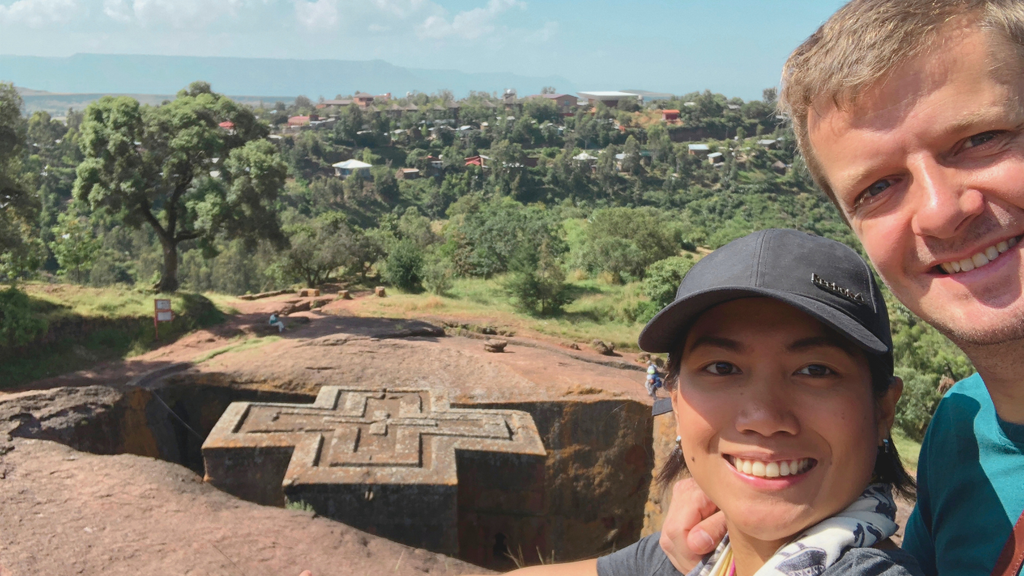
June and July — Rains in the North, Different Story in the South
This is the most misunderstood period in Ethiopian travel planning.
The northern highlands (June–September): The main rains arrive — significant rainfall in Lalibela, Gondar, Bahir Dar, and the Simien Mountains. Trekking routes become difficult. The Danakil is at its hottest. These months are not recommended for the northern circuit.
The Omo Valley (June–September): A completely different picture. The Omo Valley’s rains come earlier (April–May) and are largely finished by June. The cultural calendar is at its most active — markets, ceremonial events, and community life move outdoors. This is when the Omo Valley is most rewarding to visit.
Birding: Migratory species are present in Ethiopia from June through September. The rainy season brings many species not visible at other times of year, alongside the country’s impressive list of year-round endemics.
Recommended tours: 6-Day Omo Valley highlights, 16-Day birding tour
August — Ashenda and the Rains
Rains continue across the north in August. Not recommended for the highland circuit.
Ashenda is a reason to head north in August. This festival — unique to the Tigray and Amhara regions — is celebrated by girls and young women who dress in traditional clothing and move in groups through the streets singing and dancing. Axum and Mekele are the most festive locations. It’s a cultural event with no equivalent anywhere else in Ethiopia’s calendar.
Outside of Ashenda, the Omo Valley and Harar are the practical choices for August travel.
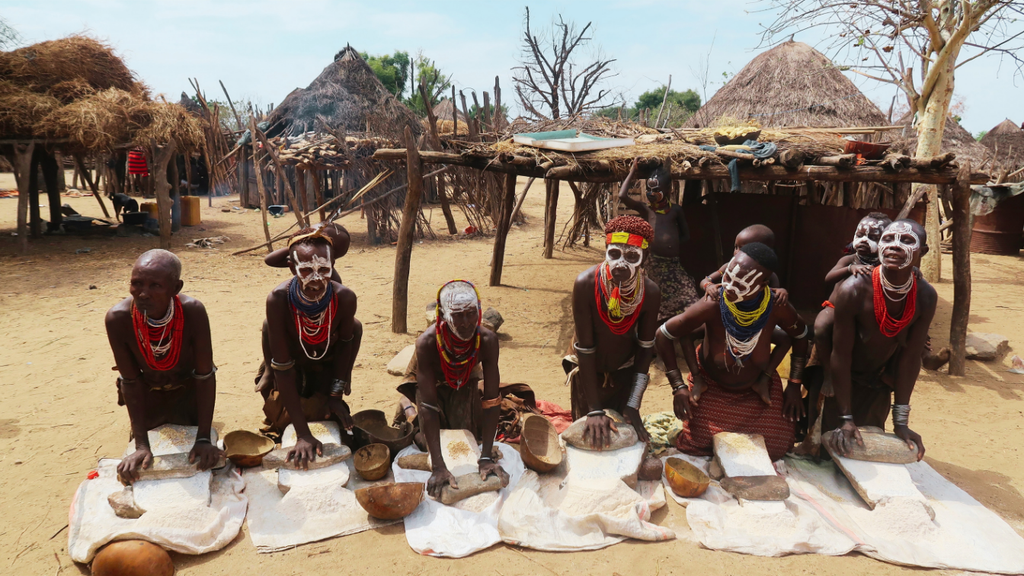
September — Meskel, the New Year, and the Turn of the Season
September is the most underrated month in Ethiopia.
Enkutatash (Ethiopian New Year) falls on September 11 — the start of a new year by the Ethiopian calendar, which runs 7–8 years behind the Gregorian. It’s celebrated nationwide with flowers, songs, and processions.
Meskel (Finding of the True Cross) takes place September 27. Addis Ababa’s Meskel Square hosts the largest celebration — the Demera bonfire ceremony is one of the most dramatic events in the Ethiopian festival calendar, drawing hundreds of thousands of people.
By late September, the highland rains ease. Landscapes are lush and green, the air is fresh, and visitor numbers are low. October is coming — if you can stretch the trip by a week or two into October, conditions improve quickly.
Recommended tours: 1-Day Addis Ababa city tour, extended into October for trekking
October — The Dry Season Opens
October is when Ethiopia fully opens up again. Clear skies return across all highland regions, roads dry out, and every destination becomes accessible simultaneously.
Irreecha, the Oromo thanksgiving festival, takes place at Lake Hora in Bishoftu — 45 minutes from Addis Ababa. Tens of thousands of people gather in traditional dress to mark the end of the rainy season. Most international itineraries don’t include it. It’s worth building a day around.
October is also the best month for photography: the country is still green from the rains but under clear skies. The Simien Mountains are spectacular — wildflowers in bloom, the escarpment at its most dramatic.
Recommended tours: any — October works for every region and every itinerary
November — Arguably Ethiopia’s Best Month
Dry, clear, and cool. All regions accessible. Visitor numbers are rising but haven’t reached January peaks.
The Danakil is at its most comfortable from November — temperatures are still high, but manageable with proper preparation. Ethiopian Wolf sightings on the Sanetti Plateau in the Bale Mountains are excellent from November through February as the wolves concentrate around open prey grounds.
November delivers everything without December and January prices.
Recommended tours: 3-Day Danakil Depression tour, 13-Day Simien summit trek, Lalibela, Bale Mountains and Omo Valley tour
December — Genna Build-Up and Peak Dry Season
December combines peak dry season conditions with the build-up to Genna (Ethiopian Christmas, January 7). Lalibela becomes increasingly lively through December as pilgrims begin arriving.
Conditions are excellent across all regions. The Omo Valley, Simien Mountains, Danakil, and the full northern circuit are all viable. Book Lalibela accommodation 6+ months ahead for December travel — it fills fast.
Ethiopia’s Festival Calendar
Most travel guides cover Timkat and move on. Here is the full picture.
| Festival | Date | Best Location | What It Is |
| Genna (Ethiopian Christmas) | January 7 | Lalibela | Candlelit church processions; pilgrims in white robes at the rock-hewn churches |
| Timkat (Epiphany) | January 19–20 | Gondar, Lalibela | Mass ceremony at Fasilides Bath; ark replicas carried through the streets |
| Fasika (Orthodox Easter) | April (varies) | Lalibela | Pilgrimage to the rock churches; more authentic than Timkat with fewer international visitors |
| Enkutatash (New Year) | September 11 | Nationwide | Flowers, songs, and processions marking the Ethiopian New Year |
| Meskel (True Cross) | September 27 | Addis Ababa | Giant Demera bonfire ceremony in Meskel Square; one of Africa’s largest public celebrations |
| Irreecha (Oromo Thanksgiving) | October | Bishoftu, near Addis | Massive gathering at Lake Hora; traditional dress, offerings to mark the end of the rains |
| Ashenda | August | Axum, Mekele | Women’s celebration unique to Tigray and Amhara; singing and dancing in traditional dress |
If a specific festival is the reason for your trip, tell us when you book — the right base location and lead time depend on which celebration you’re targeting.
Best Time to Visit by Destination
Lalibela: October–January is peak. December for the Genna build-up, January 7 for Genna itself, January 19–20 for Timkat. April for Fasika — fewer crowds, equally atmospheric. Avoid June–September.
Gondar and Bahir Dar: October–February. January for Timkat at Fasilides Bath.
Simien Mountains: October–March for trekking. Avoid June–September. Some lodges close July–August.
Danakil Depression: October–March only. April–September temperatures are dangerous — this is not a timing preference, it’s a safety point.
Omo Valley: June–September for cultural peak. October–January also excellent. April–May works but overland access is harder.
Bale Mountains: October–March for Ethiopian Wolf tracking on the Sanetti Plateau. Avoid April–June.
Harar: Year-round — drier than the highlands even during rainy season. Best October–March.
Addis Ababa: Year-round. September 27 for Meskel. A day trip to Bishoftu in October for Irreecha.
Combining North and South — Which Months Work for Both?
Many visitors want to see the northern circuit and the Omo Valley in a single trip. Here’s when it actually works:
October and November are the only months where you can combine the Danakil, the full northern circuit, and the Omo Valley without compromise. All regions are dry and accessible.
December and January work well for north and south combinations, though the Danakil is better saved for October–November.
February and March are excellent for the north and the Bale Mountains, but the Omo Valley is heading into its early rains from late March — overland access becomes harder.
June–September: Focus on the Omo Valley and Harar. Leave the north for another trip.
Recommended tours for combined itineraries: 14-Day north and south tour, 22-Day historic route and Omo Valley, 28-Day complete Ethiopia
Who Should Visit During the Rainy Season?
The advice to avoid June–September is right for some travellers and wrong for others.
Budget travellers: Accommodation rates are at their lowest. Lalibela’s churches are genuinely uncrowded. No queues anywhere.
Omo Valley specialists: The cultural calendar is most active. June–September is the best window for the far south.
Birders: Migratory species present June–September can’t be seen at other times. Combined with Ethiopia’s year-round endemic list, the bird count during the rainy season is exceptional.
Photographers: The highlands are green, the skies dramatic, and the waterfalls at full flow. The Blue Nile Falls near Bahir Dar is at its most powerful July–September. In the dry season, reduced water volume makes it considerably less impressive — most visitors don’t know this before they arrive.
Repeat visitors: If you’ve done the northern circuit in peak season, the rainy season version is a completely different experience — emptier, greener, and in many ways more authentic.
When to Book
| Travel Month | Recommended Lead Time |
| December and January | 6–9 months. Lalibela and Gondar lodges sell out for Genna and Timkat |
| February and March | 4–6 months |
| April and May | 2–4 months |
| June, July, August | Last-minute often possible — lowest demand period |
| September | 2–3 months, especially if Meskel is the draw |
| October and November | 3–5 months — October fills quickly as it’s the best all-round month |
Not Sure When to Go?
Tell us your available dates and what you want to see. We’ll match the timing to the right itinerary — whether that’s a single destination or a route that crosses every region.